Can Pest Control Treat Yards Outside and Garden Areas in Scarborough?
Absolutely — but exterior pest control is not the same from inside treatment
Yes, pest control can treat yards outdoors and gardens, but outdoor pest control is handled differently from indoor work because the environment is constantly changing. A good yard treatment or garden treatment centers on where pests live, move, and multiply, rather than attempting to eliminate everything at once. Outdoors, the goal is usually risk reduction through targeted treatment, preventative control, and a thorough inspection of the whole residential property.
In Scarborough, that approach matters especially because of local weather conditions. Humidity, moisture, and shaded planting areas can create ideal breeding grounds for pests, especially in summer. A trained provider will often use integrated pest management rather than using one product alone. That means combining non-chemical options, habitat reduction, and careful applications when needed.
For homeowners in Scarborough, ON, outdoor service is usually aimed at the property perimeter, garden edges, and areas where pests are active around vegetation. This is especially important for people who enjoy outdoor living on patios, in backyards, or around landscaped seating areas. The treatment should be planned for the site, not just the pest.
A experienced licensed pest control technician will assess whether the issue is a surface problem, a nesting problem, or a moisture problem. That distinction shapes the plan. For example, a perimeter application may help with ants, while a moisture and habitat strategy may be better for slugs and mosquitoes. The right service blends safe application, residual protection, https://brampton-onvf610.inkharbory.com/posts/a-neighborhood-look-to-scarborough-on-vs-markham-on-for-visiting-cuisine-and-sights and useful advice for the homeowner.
Which pests can be treated in Scarborough yards and gardens?
Several common outdoor pests can be managed in Scarborough yards and gardens, especially when the problem is active around planting areas, lawn edges, and patio borders. The most common calls involve ants, mosquitoes, ticks, and slugs, but the best treatment depends on the exact pest and where it is found.
Ant control is one of the most frequent outdoor requests. Ants commonly travel along foundations, walkways, garden borders, and mulch lines. In suburban neighbourhoods with detached homes and townhomes, they can be seen moving through cracks, under pavers, and around storage areas. A focused treatment can interrupt trails and reduce colony pressure near the home.
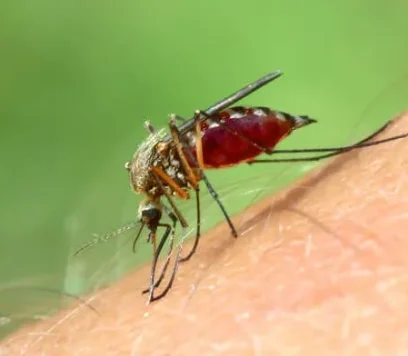
Mosquito control becomes especially important during Scarborough’s humid summers. Lake-influenced moisture from the Toronto waterfront and nearby green spaces can leave damp corners of yards, clogged drains, and other places where water collects. Mosquitoes do not need much to reproduce, so even small pockets of standing water can become a problem. The best results usually come from a combination of source reduction, perimeter treatment, and habitat management.
Tick control is also important in yards that border dense planting, shaded lawns, or areas with heavy wildlife traffic. Ticks are often found at the edges of lawns, in leaf litter, and along overgrown garden margins. Because they can attach to people and pets, treatment around high-risk zones is often recommended when activity is confirmed.
Slug control is another common issue in damp beds and shaded landscaping. Slugs eat tender growth, especially around hostas, lettuce, and other soft plants. They often show up after rain or when the garden stays wet for long periods. In these cases, a pest control plan may include moisture reduction, barrier methods, and carefully selected products where appropriate.
Beyond these four, a provider may also spot other seasonal pests based on the yard setup and nearby greenery. The key is matching the solution to the pest activity, not just the visible signs.
How pest management protects grass areas, flower beds, bushes, and decks
Yard care is most useful when it safeguards the places homeowners actually use. In Scarborough, many properties include street-facing lawns, backyard seating spaces, and side landscapes with a mix of turf and beds. That means treatment may need to cover lawn pests, ornamental shrubs, flower beds, mulch beds, and patio areas.
For lawns, pest control can help reduce insects that damage turf, create nuisance activity, or use grass as cover. The exact method depends on what is present. Some issues are tied to soil conditions, while others are caused by insects moving through the grass from nearby hedges or fences. A technician may recommend inspection first to confirm whether the turf is being affected by pests, moisture, or both.
In flower beds, the concern is often around tender plants, visible feeding, or repeated pest movement through the same narrow spaces. In this setting, a targeted treatment may be used near the base of plants or along bed edges, always with care to avoid unnecessary exposure. Ornamental shrubs can also hide pest activity, especially where branches touch siding or where leaves create shade and humidity.
Mulch beds deserve special attention because they can hold moisture and conceal pest pathways. Mulch is useful for landscaping, but it can also support ants, slugs, and other pests if it is piled too deep or kept too wet. Good pest management includes proper depth, airflow, and regular checks for activity.
Patios and outdoor seating spaces are important too. Patio areas can become pest magnets when food, drinks, pet bowls, or standing moisture are nearby. A perimeter-focused plan can help create a cleaner buffer between the home and the landscape. That may involve a perimeter barrier, spot treatment of entry points, and advice on keeping the area less attractive to pests.
For many Scarborough homeowners, the strongest results come from blending treatment with landscape adjustments. That is why it makes outdoor service more than just spraying; it is a practical strategy for the whole property.
Low-risk application solutions for families, companions, and pollinators
Protection is one of the biggest worries for homeowners asking about outdoor treatments. The positive news is that modern pest control can be planned around daily routines, pets, and pollinators. The best companies use pet-safe pest control methods, follow bee safety practices, and choose low-toxicity products whenever it fits the situation allows.
For homes with children and pets, pet-safe treatments often rely on careful placement, limited exposure, and clear instructions about when to re-enter treated areas. A professional will explain where the product was applied, how long the area should remain undisturbed, and what to do with pet toys, bowls, or outdoor cushions. This is part of safe application, not an afterthought.
Pollinator safety is also important in garden spaces with flowers, herbs, and fruiting plants. Bees, butterflies, and other beneficial insects may visit these areas, so a skilled technician avoids broad, unnecessary applications on blooms. Treatments are usually timed to reduce contact with active pollinators, and products are selected with the landscape in mind.
Application timing can make a big difference. Dawn, in the evening, or calm weather windows may be preferred to reduce drift and help the treatment stay where it is needed. Timing also matters during periods of high heat or sudden rain. A professional will adjust the plan based on the day’s conditions.
In many cases, an eco-conscious approach is possible. That may include eco-friendly options, habitat changes, and non-chemical options such as reducing moisture, trimming dense vegetation, or improving airflow. These steps can be especially useful for families who want residual protection with minimal disruption to the garden.
Homeowners should always ask how the service supports both effectiveness and safety. A responsible provider will be clear about product choice, timing, and any precautions for people, pets, and pollinators.
What a Scarborough outdoor pest control visit typically includes
A standard outdoor appointment starts with an assessment. The technician looks at the home’s exterior, the property perimeter, and the surrounding landscape to spot pest activity, entry routes, and environmental conditions that may be supporting the problem. In Scarborough, that often includes checking shaded areas, downspouts, fences, foundation edges, and damp parts of the yard.
After the inspection, the technician decides whether a focused treatment is appropriate. This may involve spots around ant trails, pest hot spots in beds, or strategic treatment along the perimeter. The goal is to treat the source or travel route instead of covering the entire yard unnecessarily. In many cases, a perimeter-focused plan creates a better balance of control and safety.
A visit may also include advice on habitat changes. For example, if mosquitoes are active, the technician may point out hidden water sources, clogged drainage points, or overwatered sections of the yard. If slugs are the issue, the focus may shift to moisture control and garden layout. This is where integrated pest management really shows its benefit.
Some properties need additional treatment. That can happen when pest pressure is heavy, when weather interrupts the first service, or when the pest has a lifecycle that requires more than one visit. Follow-up is especially useful when there is ongoing infestation pressure from nearby lots, alleys, or mature landscaping.
On a Scarborough residential property, a good service visit is designed to be practical and local. The technician should understand the mix of detached houses, townhomes, and landscaped suburban lots found across east Toronto, and know how different layouts affect pest activity.
Annual pest pressure in Scarborough: springtime, summertime, and autumn
Pest pressure changes through the year, and that is especially true in Scarborough because of seasonal pest patterns tied to regional climate conditions. Property owners often notice varying problems from spring through fall, with some pests becoming more visible when temperatures rise and humidity builds.
In the spring season, many pests begin moving after winter. Ants start rebuilding activity, and early garden insects can become more noticeable as plants wake up. Damp soil and thawing ground may also reveal drainage problems that were hidden during colder months. This is a good time for preventive inspections, especially on properties with mature landscaping or heavy mulch.
During summer, Scarborough’s muggy summers can intensify mosquito and ant activity around yards and gardens. Moisture hangs around longer, grass may stay damp, and shaded planting areas can remain cooler and wetter than the rest of the yard. This creates the ideal conditions for pests. It is also the season when families use patios, decks, and backyards most often, so pest pressure becomes more noticeable.
Lake-effect moisture tied to the Toronto waterfront can make a difference too. Properties closer to low-lying areas or exposed to breezes carrying humidity may see more pooling water issues, slower drying after rain, and richer breeding conditions for mosquitoes. These local patterns matter when planning treatment.
By fall, the focus often shifts to autumn prevention. Pests may move closer to homes as temperatures change, and homeowners begin seeing activity around siding, sheds, stored items, and late-season garden beds. Fall is a smart time to reduce hiding places, tighten up perimeter care, and prepare the property for the next cycle of pest pressure.
Seasonal planning is one of the biggest advantages of working with a local company that understands Scarborough, ON. Outdoor pest control is rarely a one-time fix; it is a planned seasonal approach.
Signs your lawn needs professional help
Some pest problems are clear, while others develop gradually. If your garden is displaying repeated damage or active pest movement, it may be time for expert service. A few obvious warning signs stand out.
Chewed leaves often point to feeding insects or slugs. If young plants are being damaged overnight or if holes appear in a pattern, that is a strong clue that something is active in the bed. Repeated plant damage around the same plants can mean the pest is returning to a preferred feeding area.
Ant trails along the foundation, patio edge, or garden border are another strong sign. Trails usually mean the colony has established a reliable route to food or moisture. If ants keep appearing after cleanup, the source may be hidden nearby, under pavers, in mulch, or along the property edge.
Standing water is a red flag for mosquitoes and other moisture-loving pests. Even small containers, clogged gutters, or low spots in the lawn can become problems after rain. If you notice water lingering for more than a day or two, the issue may involve drainage or grading, not just insects.
Further warning signs include garden beds that stay too wet, pests visible at dusk, and repeated activity near shrubs, fences, or compost areas. If the problem keeps returning despite basic cleanup, a professional inspection can identify the deeper cause. That is often the fastest way to reduce pest pressure without wasting time on guesswork.
Preventive measures to cut down on pests around your home
Pest management outdoors works best when supported by good property habits. Many problems can be reduced with simple maintenance that makes the yard less attractive to pests. This is where landscape maintenance becomes part of pest prevention.
Start with drainage. Make sure water is flowing away from the home, not pooling beside it. Clean gutters, unclog downspouts, and fix low spots that hold water after rain. Improving drainage lowers mosquito breeding, helps soil dry more evenly, and deters other moisture-seeking pests.
Pay attention to mulch management. Mulch should be kept at a sensible depth and not packed tightly against the foundation or stems of plants. Thick, wet mulch can hide ants, slugs, and other pests while holding too much moisture. Leave space around trunks and keep clear borders where possible.
Trash storage matters too. Lids should fit properly, and bins should be kept clean and away from easy access points. Food waste, pet food, and overflowing garbage can attract pests quickly, especially in warmer months. If possible, store bins away from patios and entryways.
Additional prevention steps include trimming back dense vegetation, removing leaf litter, and checking for hidden water collection points in toys, tarps, and outdoor containers. A cleaner, drier yard is usually less welcoming to pests and easier to treat effectively if an issue does arise.
Mosquito Man Scarborough1225 Kennedy Rd, Scarborough, ON M1P 4Y1, Canada
+1 647-243-7241
https://maps.app.goo.gl/8SuLx1MkkqVJFc2m9 https://mosquitoman.ca/pest-control/scarborough/
43.7561897, -79.2751574
These habits help with preventative control and can extend the benefit of any professional service.
When to call a local Scarborough pest control company
You should call a local company when the problem is recurring, spreading, or affecting how you use the yard. If you need a licensed technician who understands east Toronto properties, local landscaping styles, and the effect of humid weather on pest pressure, a Scarborough provider is a smart choice.
Neighborhood insight makes a difference because each neighborhood can have varied pressure patterns. Some areas have mature trees and additional shade, while others have newer developments with tight landscaping and more patios. A company serving the local service area can adapt the plan to the way your property is actually used.
It is also worth asking about a service plan. Outdoor pest problems often need seasonal attention rather than one visit. A plan may include spring inspection, summer treatment, and fall prevention to stay ahead of changing pest activity. For homeowners with persistent issues, that kind of structure can deliver better results than a one-time call.
If you need fast help, ask whether a same-week appointment is available. That can be especially useful during mosquito peaks, active ant outbreaks, or when garden damage is happening fast. The sooner the property is inspected, the easier it is to stop the issue before it spreads.
For Scarborough homeowners, professional outdoor service is about more than removing pests. It is about protecting the usability of the yard, preserving the landscape, and keeping family spaces comfortable throughout the outdoor season.
FAQ: outdoor pest control for Scarborough properties
Can pest control treat outdoor yards and gardens in Scarborough?
Yes. Pest control can treat outdoor yards and gardens with yard treatment, garden treatment, and perimeter-based methods tailored to the pest and the property. In Scarborough, the best results usually come from integrated pest management that combines inspection, targeted treatment, and prevention.
Is outdoor pest control safe for pets and children?
It can be, when it is applied correctly. Look for pet-safe pest control, clear instructions, and a trained licensed pest control technician. Good providers use safe application, choose appropriate products, and explain when pets and children can return to treated areas.
What pests are typically common in Scarborough gardens during summer?
During Scarborough’s warm, humid summers, the most common issues are often mosquito management concerns, ant management needs, and moisture-related slug management. Tick treatment may also be important in shaded yards and landscaped areas with dense vegetation.
How long should I wait to water my garden after treatment?
That depends on the product used and the weather. Your technician will give you exact treatment timing and watering instructions. In some cases, watering too soon can reduce residual protection. Always follow the label and the provider’s guidance.
How often should outdoor pest control be done on a Scarborough property?
It depends on pest pressure, the layout of the property, and the season. Many homes benefit from seasonal service from spring through fall, especially where seasonal pest pressure, pooling water, or heavy landscaping creates ongoing pressure. A local service plan can help determine the right frequency.